
Pre-Wedding Facials Ranked By Costs And Actual Results
A bride books a strong resurfacing treatment nine days before the ceremony because the reviews were excellent and the results are real. They are real. They are also still arriving on day fourteen, which is four days after the photographs were taken, and in the meantime her skin spent a week doing the flaky, tender, faintly pink thing that resurfacing treatments do on their way to a good outcome.
Pre-wedding facials work. What decides whether they work for you is not the treatment you choose but the distance between that treatment and your date, and almost every treatment menu is written as if that distance did not exist.
So here is the ranking that menu will not give you: every mainstream option, ordered by how much visible change it delivers for what it costs, with the latest point you can safely book each one.
Quick answer: Pre-wedding facials divide into four cost bands, and the middle band delivers the most visible change per unit spent. A hydradermabrasion-style deep-cleansing facial gives the best photograph-day result for most people. Book the final treatment five to fourteen days out, and never trial a new treatment in the last two weeks.
What Actually Changes Your Skin Before A Wedding, And What Just Feels Nice
Strip the marketing away and a professional facial can do a small number of genuinely useful things.
It can take off the accumulated layer of dead surface cells that scatters light unevenly and makes skin read as dull. It can flood the upper layers with humectants so the surface plumps and reflects light in a single direction rather than a dozen. And, given enough repetitions across enough weeks, it can shift the underlying behaviour of the skin — oil balance, congestion, tone, the pace of cell turnover.
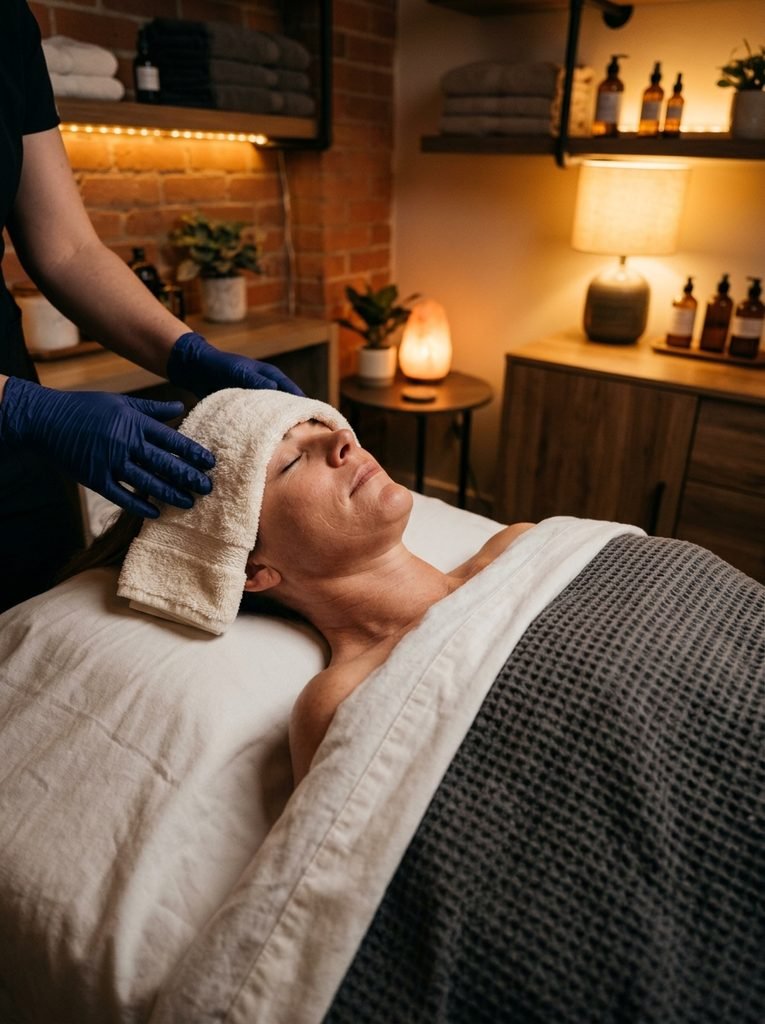
Everything else is hospitality. Warm towels, a shoulder massage, low lighting, a herbal tea afterwards. Pleasant, occasionally worth paying for on its own terms, and entirely absent from your photographs.
The third mechanism is the one that matters most and gets sold least, because it cannot be delivered in a single appointment. Skin operates on a turnover cycle of roughly a month. A treatment spaced four to six weeks apart lands each time on a fresh cycle and compounds. A treatment booked once, three weeks out, lands on whatever your skin happens to be doing that week and does not compound at all.

Which Pre-Wedding Facials Are Actually Worth The Money
Because facial pricing varies enormously between countries and even between districts of the same city, fixed figures are close to useless in a global guide. So this table uses cost bands instead, benchmarked against something you already know the price of locally: a good haircut at a reputable salon in your city. Call that one unit.
| Rank | Treatment | Cost band | What it actually does | Last safe booking |
|---|---|---|---|---|
| 1 | Hydradermabrasion deep-cleanse facial | 2–3 units | Suction-based exfoliation, extraction and serum infusion in one pass. Immediate, dependable brightness. | 5–7 days out |
| 2 | Dermaplaning | 1–1.5 units | Removes fine facial hair and dead surface skin. Makeup lays visibly flatter. | 5–7 days out |
| 3 | Superficial acid peel, as a course | 2–3 units each | Genuine improvement in tone, congestion and dullness across three or four sessions. | 3–4 weeks out |
| 4 | Classic hydrating facial | 1–2 units | Cleanse, gentle exfoliation, mask, hydration. Modest ceiling, near-zero risk. | 3–5 days out |
| 5 | Enzyme or gommage facial | 1–1.5 units | Very gentle fruit-enzyme exfoliation. Reliable for reactive skin, mild for everyone else. | 3–5 days out |
| 6 | LED light therapy | 0.75–2 units | Calms active breakouts, speeds healing after stronger work. Weak on its own. | 1–2 days out |
| 7 | Microdermabrasion | 1.5–3 units | Mechanical crystal or diamond-tip exfoliation. Effective, largely superseded. | 10–14 days out |
| 8 | Microneedling, as a course | 4–7 units each | Real collagen and texture change. Needs a series and a healing window. | 4–6 weeks out |
| 9 | Medium-depth peel | 5–9 units | Strong correction of pigmentation and texture, with visible peeling. | 8–12 weeks out |
| 10 | Premium “bridal ritual” package | 3–8 units | Frequently a standard facial with extended massage and a longer appointment. | Varies — audit the contents first |
Notice that the ranking and the price order barely correlate. Microneedling produces the most measurable improvement of anything listed and still sits eighth, because a treatment you cannot responsibly book within the final month is a poor answer to the question this article is actually about.
How Much Should You Expect To Spend In Total
The number people plan for is the price of one facial. The number they end up spending is four or five facials plus add-ons, which is why the bill feels like an ambush.
A well-built plan for someone starting four to five months out looks like three deep-cleanse facials, one light peel somewhere in the middle, and a dermaplaning finish in the final week. In the unit system above, that is roughly eight to eleven units. A leaner plan three classic facials and a dermaplaning comes in around five to seven.
Where the budget escapes is the add-on menu at the chair. Boosters, serum upgrades, extended LED, lymphatic drainage: each is presented as a small increment on a price you have already accepted, and each is priced accordingly. Two add-ons across five appointments can quietly add two units to your total.
Regional variation is large, and it is worth knowing roughly where your market sits:
| Market type | Rough position | What drives it |
|---|---|---|
| High-cost metropolitan centres | Top of every band | Premises costs, licensing, medical oversight requirements |
| Mid-cost urban markets | Around the band midpoints | Competitive supply, mixed regulation |
| Lower-cost markets | Bottom of the bands, sometimes below | Lower labour and premises costs, wider variation in training standards |
The unit benchmark travels better than any currency figure, because the same forces that set haircut prices in your city set facial prices there too.
One practical note: package pricing genuinely helps, usually reducing the per-session rate meaningfully. Buy the package after a trial session, never before. A discount on a provider who does not suit your skin is not a discount.

Is A Hydradermabrasion Facial Worth The Premium Before A Wedding
This treatment takes the top spot for an unromantic reason: it almost never produces a bad week.
The mechanism is straightforward. A handpiece delivers a mild acid solution while a vortex of gentle suction lifts debris out of the pores, and the same pass drives hydrating and antioxidant serums back in. There is no downtime, no crusting, and no realistic scenario where you emerge looking worse than you went in. For a treatment sitting inside a fixed, immovable deadline, that risk profile is worth more than a higher ceiling would be.
It is also the treatment that most reliably produces the specific effect brides actually want, which is not “better skin” in the abstract but skin that photographs well under mixed lighting from several metres away.
The honest limitation is duration. The effect is a surface effect, and it settles back within roughly a week to ten days. As a permanent monthly habit that makes it an expensive subscription. As three or four targeted appointments aimed at one date, it is the strongest value on this list.
Book the final one five to seven days ahead. Skin looks its best two or three days after, not two hours after.
Do Chemical Peels Deliver More Than A Facial For The Same Price
A peel is the point at which you stop paying for shine and start paying for correction.
A superficial peel glycolic, lactic, mandelic or salicylic depending on your concern — sits in a similar cost band to a good deep-cleanse facial and does considerably more, because it acts chemically on the bonds holding dead cells in place rather than lifting them mechanically. Across three or four sessions spaced roughly four weeks apart, it addresses dullness, blocked pores and mild unevenness in a way that no hydrating facial approaches.
Acid choice matters more than most menus admit. Salicylic suits oily and congested skin because it is oil-soluble and travels into the pore. Mandelic has a larger molecule and penetrates more slowly, which makes it the sensible first choice for deeper skin tones or reactive skin, where aggressive exfoliation carries a real risk of leaving pigmentation behind.
Depth is the other variable. Medium-depth peels correct considerably more and come with several days of visible peeling that no amount of scheduling optimism will hide.
The workable rule: superficial peels are fine up to three or four weeks out. Anything medium-depth belongs at least two months back.
Is Microneedling A Mistake This Close To The Date
Microneedling is the only entry on this list that changes skin structure rather than skin surface. Fine needles create controlled micro-injuries, the healing response lays down new collagen, and over months the texture of the skin genuinely changes. For indented acne scarring, enlarged pores or rough texture, nothing else in this price range comes close.
Two things make it wrong for late bookings.
First, the timeline is not negotiable. The visible improvement is the collagen, and collagen remodels over weeks, not days. A full course typically runs three to six sessions spaced four to six weeks apart, which means a proper protocol occupies four to six months of calendar. Compressing it does not accelerate it.
Second, the immediate aftermath is redness and pinpoint bleeding that resolves over two to five days, and occasionally longer on sensitive skin. That is a fine trade six months out. It is an unnecessary gamble at three weeks.
If you are early, this is where a serious budget should go. If you are inside eight weeks and have never had it, this is the entry to cross off the list without regret.
Why Is Dermaplaning The Cheapest Real Win On This List
Dermaplaning is a small treatment with a disproportionately relevant effect. A blade held at a shallow angle removes the fine vellus hair and the dead cell layer from the surface of the face. There are no acids, no needles and no downtime, and it is one of the few options generally considered safe during pregnancy.
The reason it ranks second is narrow and specific. Foundation applied over fine facial hair does not sit flat; it catches on each hair and creates a faint fuzz that studio lighting and close-range photography both pick up as texture. Remove the hair and makeup behaves completely differently smoother application, more even finish, better wear across a long day.
It also combines cleanly. Dermaplaning followed by a hydrating treatment in the same appointment is one of the most efficient bookings available in the final fortnight.
The persistent myth deserves killing: shaved vellus hair does not return thicker or darker. It is cut, not altered.
Schedule the final session five to seven days ahead, and space earlier ones three to four weeks apart.

Does LED Light Therapy Do Anything On Its Own
LED is the most oversold and most misunderstood item on the list.
The underlying principle is legitimate. Specific wavelengths of light influence cellular activity — red light supports repair processes and collagen behaviour, blue light suppresses the bacteria involved in inflammatory acne. The effects are real. They are also cumulative, subtle, and dependent on the power output of the device, which varies enormously between a spa add-on panel and a clinical-grade unit.
Two things earn it a place here anyway.
It is the only treatment on this list you could reasonably have two days before the ceremony, because the irritation risk is effectively nil. And it shortens recovery after stronger work, which occasionally buys back a day or two when a timeline has gone tight.
Judge it by intensity, not by branding. If a session leaves no warmth in the skin and lasts eight minutes, you have bought ambience. Twenty minutes under a panel bright enough to require eye protection is a different proposition.
Add it on. Do not build around it.
Is The Expensive Bridal Glow Package Just A Marketing Package
“Bridal facial” is a category on a price list, not a treatment with a definition. In practice it usually describes a standard facial given a longer appointment slot, a sheet mask, an extended massage and a name.
Sometimes it is excellent value — a genuine bundle of deep-cleanse, dermaplaning and LED sold below the sum of its parts. Sometimes it is a mid-tier facial at triple the price with flowers on the trolley.
Three questions separate the two, and any good provider will answer all three without hesitation:
What specific active steps are included which acids, what form of exfoliation, is extraction performed, is any device used? How many minutes of the appointment are active treatment rather than massage? And what would those same components cost booked individually at this clinic?
If the answers are vague, or if the description leans hard on the experience and lightly on the mechanism, you are paying for the room.
The word “bridal” adds nothing to skin. It adds a great deal to margin.
When Should Your Last Facial Be
This single decision matters more than which treatment you pick.
The working principle is that intensity and distance move together. The stronger the treatment, the further back it belongs. Gentle hydrating work can sit within a week. Deep-cleanse facials and dermaplaning land comfortably at five to seven days. Superficial peels want three to four weeks. Microneedling and medium-depth peels want a month or several.
Inside the final seventy-two hours, the sensible ceiling is a hydrating mask or an LED session. No extraction, no acids, no manual exfoliation, no experiments.
The last appointment should also change character. Everything up to that point is corrective — clearing congestion, evening tone, improving texture. The final session is not corrective at all. It is hydration and calm, and its only job is to leave the skin plump, settled and unprovoked. Asking your therapist for “one last really thorough clear-out” the week of the wedding is the single most common way brides sabotage three months of good work.
If your skin is sensitive or acne-prone, add three days to every interval above.
What Goes Wrong When Brides Get This Timeline Wrong
Therapists see the same three patterns repeat, and none of them involve a treatment being too strong in the abstract.
The first is a first-time treatment inside the final fortnight. A peel your skin has tolerated four times is a known quantity. The identical peel, never attempted before, eleven days out, is a wager placed on the one surface everybody will be looking at. Reactions are uncommon. They are also non-negotiable when they happen.
The second is protocol-hopping. Someone books a different trending treatment every month for four months and arrives at the wedding with skin that has been repeatedly disrupted and never allowed to settle into any single cycle. Four sessions of one sensible protocol reliably beats four sessions of four different ones.
The third is stacking. A peel, then threading, then a new retinoid product, then lash extensions, all compressed into ten days because each individually is minor. Individually they are. Sequentially, on a compromised barrier, they are how a face ends up red for a rehearsal dinner.
Consistency first, restraint second, and no debuts in the last three weeks.
What Should Grooms And The Wedding Party Book
Grooms, groomsmen and bridesmaids rarely want a five-month protocol, and rarely need one.
A single deep-cleanse facial or a good hydrating facial in the week before the wedding delivers most of the available benefit. Skin looks rested, congestion is cleared, and photographs are noticeably kinder to a face that has been properly hydrated.
Two cautions are worth passing on specifically to men and to anyone booking their first-ever facial.
Skip extraction on skin that has never had it. First-time extraction on congested skin can leave visible marks for several days, which inverts the entire purpose. Ask for a hydrating treatment without extraction and book any clearing work earlier in the schedule.
And stop shaving the morning of a facial. Freshly shaved skin has a compromised barrier and reacts to actives far more sharply. Shave the day before, or the day after — not the same morning.
For anyone wanting slightly more, dermaplaning stacks cleanly onto either option, though for men who shave daily the incremental benefit is smaller than the price suggests.
Key Takeaways
- The mid-price band delivers the best value. Hydradermabrasion facials and superficial peels outperform both the cheap end and the premium end on result-per-unit spent.
- Dermaplaning is the highest-certainty small purchase, because it fixes the specific problem makeup has with skin.
- Microneedling is the strongest treatment and the worst late booking — it needs four to six months, not four to six weeks.
- Budget six to twelve units, not one. The course is the real cost; the single appointment is a top-up.
- Distance scales with intensity. Gentle work at five to seven days, superficial peels at three to four weeks, anything deeper at two months or more.
- Nothing new in the final fortnight. Novelty, not intensity, is what actually goes wrong.
Your Next Steps
- Count backwards from your date before you book anything. Six months or more opens up microneedling and peel courses. Under six weeks narrows you to deep-cleanse facials and dermaplaning, and that is fine.
- Convert the unit bands above into your local currency using a good salon haircut as the benchmark, then set a total ceiling and write it down.
- Book a consultation rather than a treatment for a first visit to a new provider, and ask what they would prioritise given your specific budget and timeline.
- Fix the final appointment date first at five to seven days out, then fill the earlier slots backwards at four-week intervals.
- Request the component list for any package priced above three units before agreeing to it.
- Declare the last three weeks a no-experiments zone — no new products, no new treatments, no new providers, no exceptions for a friend’s recommendation.
- See a qualified dermatologist first if you have active acne, rosacea, melasma or a history of reacting to treatments. Skin conditions respond to medical management on a timescale that facials cannot compress, and starting that conversation early is the highest-value appointment in this entire article.
FAQ
Can I Get A Facial The Day Before My Wedding?
Not a meaningful one. Within seventy-two hours, avoid acids, extraction and manual exfoliation entirely, since any irritation needs several days to resolve. A hydrating mask or an LED session is acceptable and carries essentially no risk. Everything with real effect should already be behind you by then.
How Many Facials Do I Need Before My Wedding?
Three is a reasonable minimum, spaced three to four weeks apart. Four or five produces noticeably better results if you have congestion, uneven tone or texture concerns. One appointment, whenever it falls, functions as a top-up rather than a plan.
Do Multi-Session Packages Actually Save Money?
Usually, yes — bundled pricing typically reduces the per-session rate meaningfully, and monthly memberships can make sense if you are starting five or six months out. Buy the package only after one paid trial session with that provider, never on the strength of the consultation alone.
Can Home Care Replace Professional Treatments If The Budget Is Tight?
A consistent home routine covers hydration and gentle exfoliation surprisingly well. What it cannot replicate is professional extraction, device-based exfoliation and higher-strength acid work. If you can afford exactly one professional appointment, spend it on a deep-cleanse facial or dermaplaning roughly a week before the day.
Does A Facial Genuinely Improve How Makeup Sits?
Yes, and this is the most consistently delivered benefit of the lot. Hydrated, evenly exfoliated skin lets foundation glide rather than cling, which reduces patchiness and extends wear across a long day. Dermaplaning contributes the most to this specific outcome.
What Should I Do If My Skin Reacts Badly A Few Days Before?
Stop all active products immediately and simplify to a bland cleanser, a plain moisturiser and sunscreen. Do not attempt to correct a reaction with another treatment. Contact the provider who performed the treatment, and if there is swelling, blistering or spreading redness, see a doctor rather than a therapist.