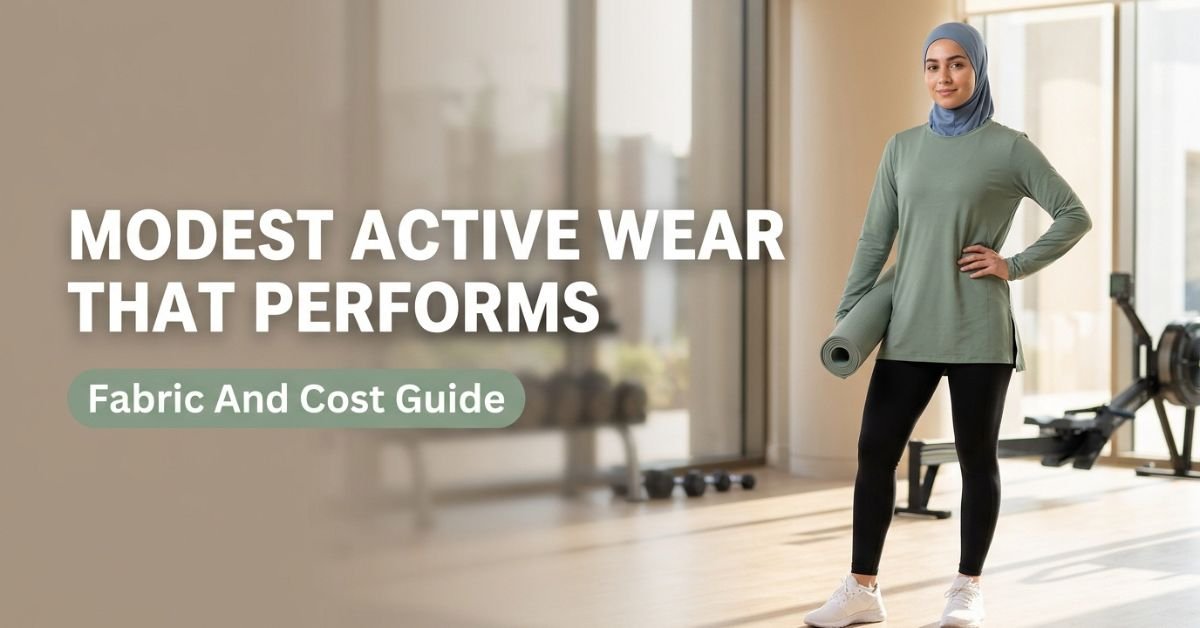
Modest Active Wear That Performs: Fabric And Cost Guide
The costliest mistake in modest active wear rarely happens in the fitting room. It happens twenty minutes into a workout. The long tunic that looked perfect on the hanger is now damp, clinging and heavier with every set. Or the leggings that felt thick in the shop begin to show through at the bottom of a lunge.
Coverage is where the decision starts, not where it ends. Whether you lift weights in a busy city gym, walk at dawn in desert heat, swim laps through a grey northern winter or practise yoga in a humid apartment, the fabric decides how the outfit behaves once you start moving. This guide takes you through eight practical steps so your next purchase earns its place in the wardrobe.
Quick Answer: For most sports, the best modest activewear is a moisture-wicking polyester or nylon knit with a modest share of elastane for stretch, dense enough to stay opaque when pulled tight. Outdoors, choose fabric rated UPF 50. In the pool, polyester-based and PBT swim fabrics hold up longest against chlorine.
Match Modest Active Wear Fabric To Your Activity
Full coverage changes how a garment handles heat. More skin under fabric means sweat has fewer places to evaporate, so a material that feels fine in a sleeveless top can become uncomfortable once it covers your arms, legs and neck. That is why the same fabric rarely works equally well for every sport.
| Activity | What Matters Most | Fabric Direction |
|---|---|---|
| Strength training and HIIT | Fast drying, full stretch, durability | Polyester or nylon knit with elastane |
| Outdoor running and cycling | Ventilation, low weight, sun protection | Light technical knit, mesh zones, UPF label |
| Yoga and Pilates | Opacity in deep poses, soft feel | Denser, matte knit with strong recovery |
| Swimming | Chlorine resistance, quick drying | Polyester or PBT swim fabric |
| Hiking and trekking | Temperature control, odour resistance | Merino or synthetic base layers |
| Walking and daily movement | Comfort, easy care | Cotton blends are perfectly fine |
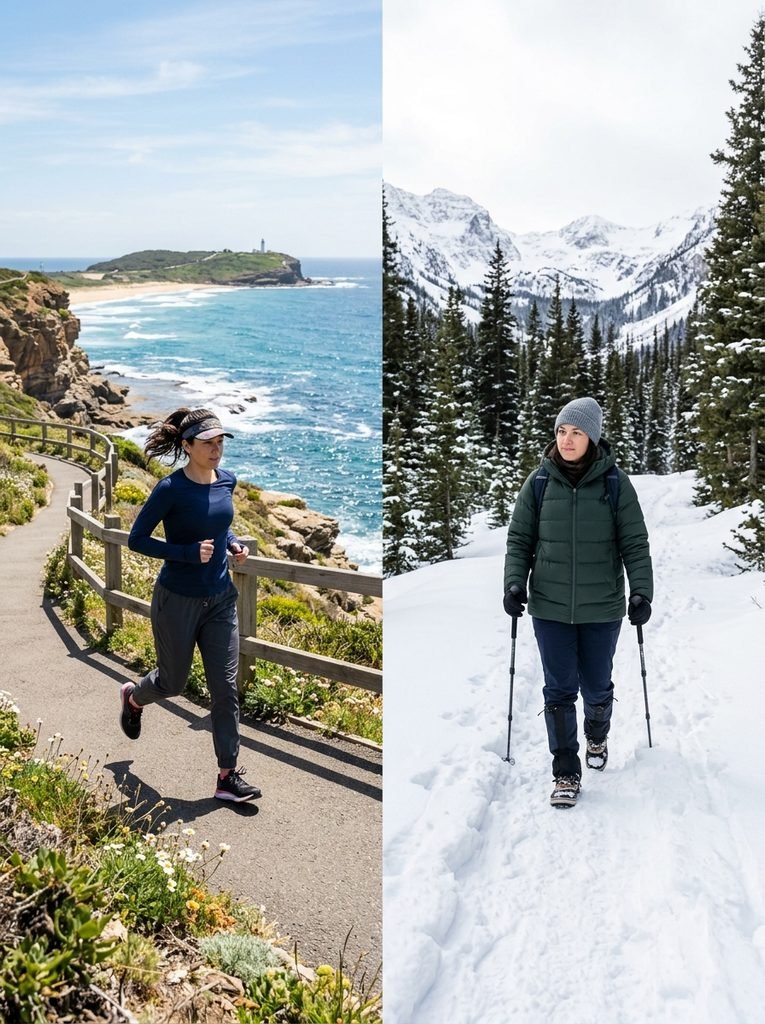
Climate shifts the picture as well. In humid tropical heat, fast-drying synthetics make the biggest difference because sweat struggles to evaporate. In dry heat, a loose outer layer that shades the skin can feel cooler than a tight one. In cold regions, layering a thin wicking base under a warmer top keeps you covered without trapping damp fabric against your body.
If your week includes several activities, buy for the most demanding one. Clothing that copes with an intense class will handle a gentle walk easily, but it rarely works the other way around.
Read The Fiber Label Before The Price Tag
Each fiber has a personality, and knowing the basics saves you from expensive guesswork.
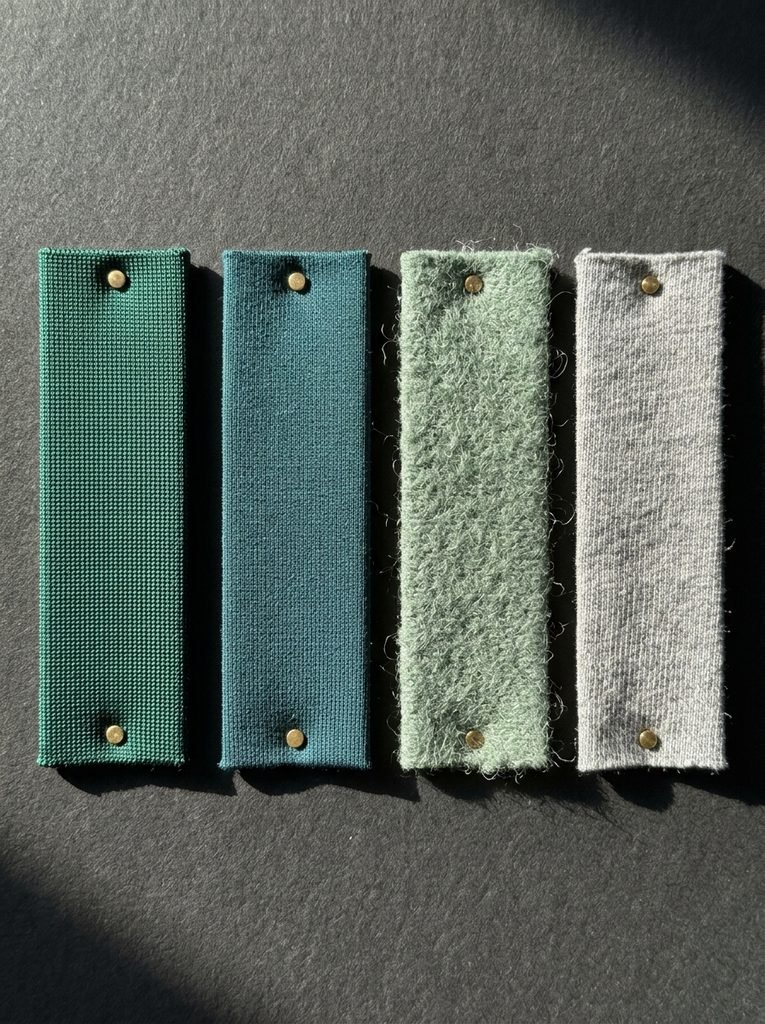
Polyester is the workhorse of sportswear. It absorbs very little water, so sweat spreads across the surface and dries quickly. It keeps its shape well and holds colour. Its weak spot is odour, which can build up over time if it isn’t washed properly.
Nylon feels smoother and softer against the skin and is very strong, which makes it popular for leggings. It dries a little slower than polyester and tends to fade sooner under sun and chlorine.
Elastane (also sold as spandex or Lycra) provides the stretch. A small percentage is enough for easy movement in loose-fitting tops. Leggings and compression pieces usually contain more, which gives a firmer, supportive fit.
Merino wool surprises many people. Fine merino is soft rather than itchy, regulates temperature in both warm and cool conditions, and resists odour for several wears. It costs more and needs gentler washing.
Viscose, modal and bamboo-based fabrics feel silky and drape beautifully, which is why they appear in many modest tunics and hijabs. The trade-off is that they absorb moisture and can feel heavy once you sweat hard.
Cotton is comfortable and familiar, but it soaks up sweat and stays wet. For gentle movement it is pleasant. For hard training it becomes a burden.
A useful rule of thumb: the harder you sweat, the less natural absorbent fiber you want close to your skin.
Test Opacity, Because Coverage That Turns Sheer Isn’t Coverage
Sheerness is one of the most common complaints about modest workout clothes, and it catches people out because fabric often looks solid while relaxed. The problem appears only under tension, when the knit opens up.
Fabric weight is usually expressed as GSM, or grams per square metre. Lighter knits suit loose tunics and overlays, where the fabric hangs rather than stretches. For fitted leggings and bottoms, a noticeably heavier, tightly knitted fabric is far safer. Double-knit and interlock constructions, which are essentially two layers knitted together, give opacity without feeling thick.
Colour matters just as much as weight. Pale shades such as white, beige, blush and light grey reveal far more than black, navy, charcoal or deep green. If you love lighter colours, look for a lining or a heavier build.
Few shops list fabric weight on the tag, so test the garment yourself:
- Check it in natural daylight rather than under warm changing-room bulbs.
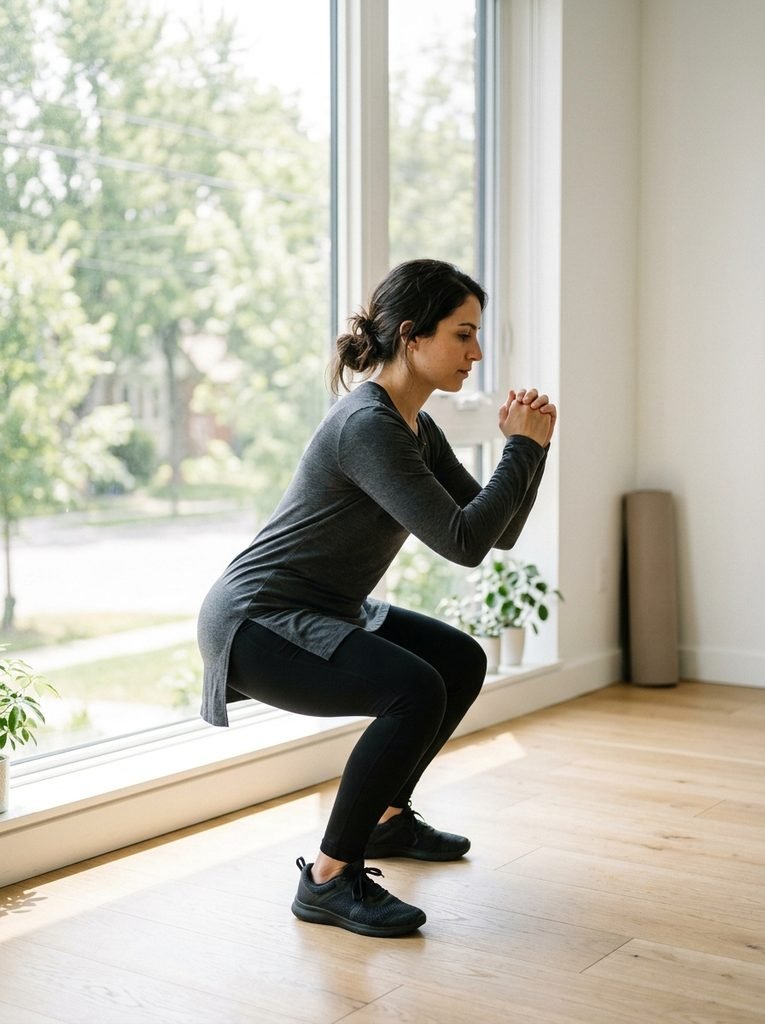
- Do a deep squat and a forward bend, then look at your knees and seat using a phone camera held behind you.
- Stretch a section of fabric over your palm. If your skin tone is clearly visible, it will show during movement.
- Test each colour separately, even within the same product line.
Beat The Heat With Construction, Not Less Coverage
Staying cool in covered clothing is less about thin fabric and more about how the garment is built. These are the features worth looking for.
Ventilation in discreet places. Mesh or perforated panels under the arms, along the sides and across the upper back release heat where the body produces most of it, while outer layers keep those zones covered.
Loose over fitted. A breathable, relaxed tunic or athletic skirt worn over wicking leggings creates a layer of moving air. It also avoids the cling that one tight, heavy layer can create.
Side slits and longer hems. A tunic with side openings, worn over full-length leggings, allows longer strides and easier squats without any loss of coverage.
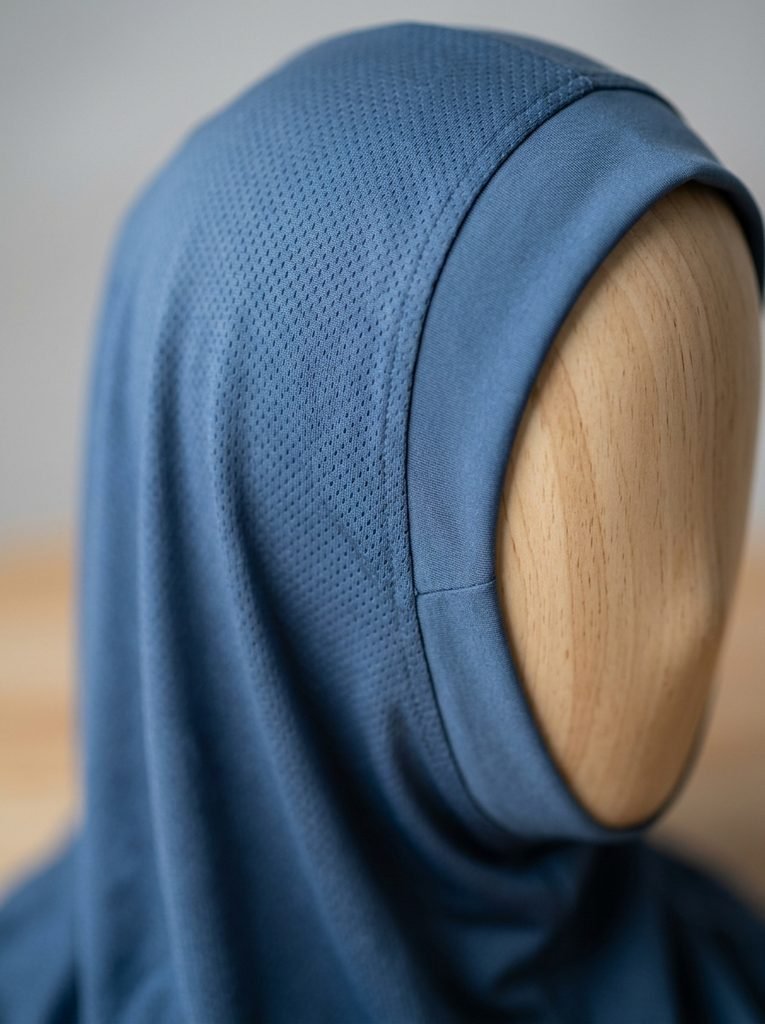
A head covering built for sport. Pull-on sports hijabs made from stretchy, breathable knits stay in place far better than a pinned or wrapped scarf during running or jumping. Look for a secure band near the face, enough length at the back to tuck in, and soft finishing at the neck.
Flat seams. Flat stitching lies smoothly against the skin and reduces rubbing, which becomes more noticeable when you wear more fabric for longer sessions.
Sizing deserves a mention too. Modest sportswear is often cut roomier to allow for layering, and size labels differ between countries and brands. Measure yourself and compare with the chart rather than relying on the size you usually buy.
Add Sun Protection For Outdoor Sessions
It is easy to assume that covered skin is protected skin. In reality, a thin, loosely woven fabric can let a surprising amount of ultraviolet light through, and many light fabrics protect even less once they are wet with sweat.
UPF, or Ultraviolet Protection Factor, measures how much UV radiation a fabric blocks. A garment labelled UPF 50 or higher blocks roughly 98% of UV rays, which is the top category. UPF 30 still offers solid protection for moderate exposure. Anything unlabelled is guesswork.
Three things improve sun protection in modest activewear:
- Density: tightly knitted fabric blocks more light than an open weave.
- Colour: darker and brighter shades generally absorb more UV than pale ones.
- Fiber: synthetics such as polyester and nylon tend to shield better than lightweight cotton.
Pay attention to how the protection is achieved. Some fabrics are naturally protective because of their structure, while others rely on a chemical finish that can weaken after repeated washing. The care label or product description usually explains which type you have.
This step matters everywhere, not just in hot countries. UV levels are high near the equator and at altitude, and they remain significant on cloudy days and during winter sports on snow. Remember that UPF clothing protects only the skin it covers, so hands and face still need sunscreen.
Choose Modest Swimwear Fabric That Survives Chlorine
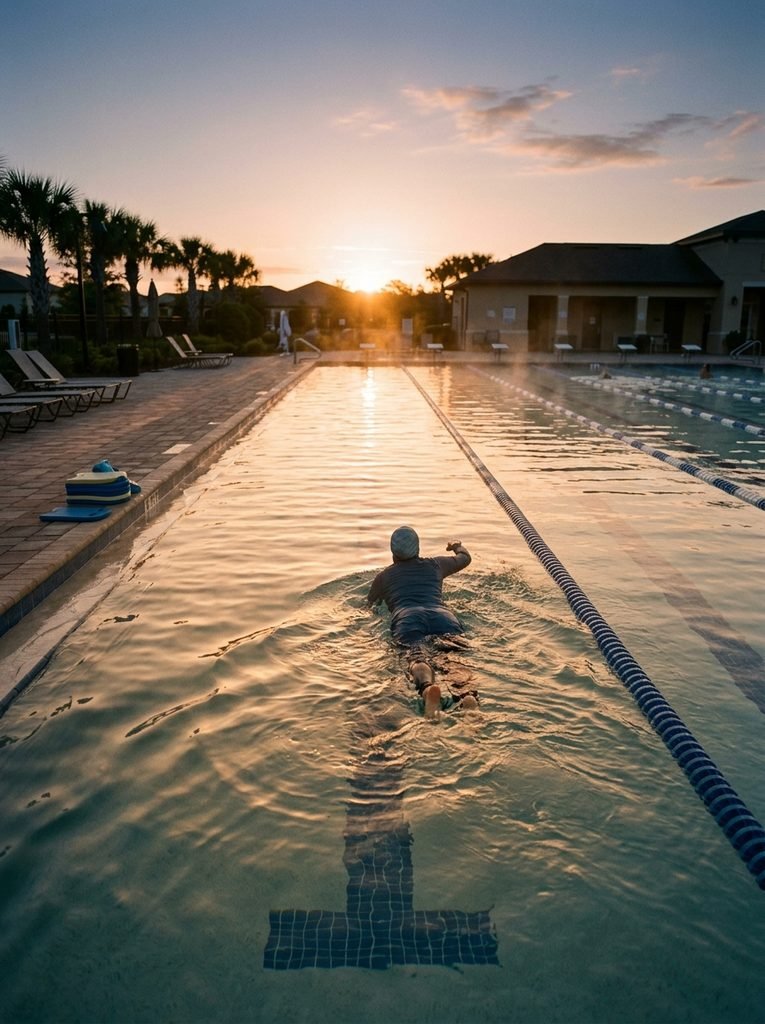
Chlorine is hard on stretch fibers. Over time it weakens elastane, which is why ageing swimsuits sag, lose their grip and eventually become thin in places. For modest swimwear, that thinning is more than a cosmetic problem.
| Swim Fabric | Chlorine Durability | Feel | Best Suited To |
|---|---|---|---|
| PBT or PBT-polyester blend | Excellent | Firm, holds shape | Frequent lap swimming, lessons, aqua fitness |
| Polyester with elastane | Very good | Balanced, slightly smoother | Regular pool use |
| Nylon with chlorine-resistant elastane | Good | Soft and sleek | Mixed pool and beach use |
| Standard nylon with elastane | Moderate | Softest | Occasional swims, holidays |
PBT is a type of polyester with a natural, springy stretch, so it depends less on elastane and resists chlorine particularly well. It feels firmer than nylon, which some swimmers love and others take time to get used to.
A few practical points for swimmers worldwide:
- Check your pool’s rules. Public pools in different countries have different policies on swim clothing. Many allow full-coverage swimwear made from proper swim fabric but do not permit cotton or ordinary street clothes. A quick call before your first visit avoids an awkward moment at the door.
- Sea water and pool water are different. Salt, sand and strong sun wear fabric in their own ways, so a quick rinse after every swim helps regardless of where you swim.
- Look for a built-in lining in lighter colours, as wet fabric becomes more transparent than dry fabric.
Budget By Cost Per Wear, Not Sticker Price
Prices for modest activewear vary widely between countries because of taxes, import duties, shipping costs and local brand availability. The ranges below are a rough guide in US dollar terms, meant to show relative tiers rather than exact prices in your market.
| Item | Budget | Mid-Range | Premium |
|---|---|---|---|
| Sports hijab | Under $15 | $15–30 | $30 and above |
| Leggings or training trousers | Under $25 | $25–60 | $60 and above |
| Long training tunic or top | Under $25 | $25–55 | $55 and above |
| Full-coverage swim set | Under $40 | $40–90 | $90 and above |
The more useful figure is cost per wear: the price divided by the number of times you can realistically use the item before it stops performing. The examples below use illustrative assumptions, not test results, to show how the calculation works.
| Scenario (Illustrative) | Price | Estimated Uses | Cost Per Use |
|---|---|---|---|
| Budget cotton-blend sports hijab | $10 | 30 | $0.33 |
| Mid-range performance sports hijab | $25 | 120 | $0.21 |
| Budget nylon swim set, weekly pool use | $35 | 50 | $0.70 |
| Premium PBT swim set, weekly pool use | $85 | 180 | $0.47 |
The pattern holds across most categories: items you wear often, and items exposed to chlorine or heavy sweat, reward a higher upfront spend.
Where to spend and where to save:
- Spend on: swimwear, your most-used sports hijab, fitted leggings that must stay opaque, and outdoor tops with a real UPF rating.
- Save on: loose overlays for light sessions, warm-up jackets, and clothing for walking or errands.
- Buy on sale: repeat purchases of a cut and fabric you have already tested.
Care For It So The Performance Lasts
Performance fabrics respond well to gentle, consistent care. These habits make a clear difference over a year of use:
- Wash cool and inside out. Hot water and friction wear down elastane and fade colour.
- Skip fabric softener. It leaves a coating that can block the fabric’s ability to move sweat.
- Air-dry whenever possible. High dryer heat is one of the quickest ways to shorten the life of stretch fabric.
- Wash sweaty pieces promptly. Leaving damp synthetics in a bag encourages odour that becomes harder to remove.
- Rinse swimwear right after use. Fresh, cool water removes chlorine or salt before it has time to work into the fibers. Press out water gently instead of wringing, and dry the suit flat in the shade.
- Rotate your sets. Giving each piece time to rest between wears helps stretch fibers recover.
If a garment relies on a treated UV finish, check the label for how many washes the protection is expected to last, and plan to replace it when that point arrives.
Modest Active Wear Buying Guide
- Main activity and usual climate identified
- Fiber label checked: polyester or nylon base with elastane for stretch
- Minimal absorbent fibers for high-sweat training
- Daylight squat test passed for each colour
- Pale colours: heavier fabric or lining confirmed
- Ventilation feature present on training tops
- UPF 50 for regular outdoor sessions
- Swimwear made from polyester, PBT or chlorine-resistant fabric
- Local pool rules checked
- Size chart compared with your own measurements
- Cost per use estimated
- Care instructions read and followed
Your Next Steps
- Sort what you already own. Separate hard-training pieces from light-activity pieces using the fiber label.
- Fix the weakest link first. For most people, that is either a breathable sports hijab or a pair of truly opaque leggings.
- Test at home before the return window closes. Try the daylight squat test and one full workout.
- Buy swimwear for how often you swim. Regular swimmers benefit most from polyester or PBT fabric.
- Start the right care routine from the first wash. It protects the money you have spent.
Key Takeaways
- In modest active wear, fabric determines comfort and performance far more than style does.
- Polyester and nylon with some elastane suit most sports; absorbent fibers suit gentle activity.
- Fitted pieces need dense, tightly knitted fabric, especially in pale colours.
- Covered skin is not always protected skin, so look for UPF 50 outdoors.
- Polyester and PBT swim fabrics resist chlorine best.
- Judge value by cost per use, and spend more on the items you wear most.
Frequently Asked Questions
How can I tell if workout leggings will become see-through?
Stretch the fabric over your hand in daylight and do a deep squat while checking with a phone camera. If light or skin tone shows through, the fabric is too thin or loosely knitted for fitted wear.
Can modest activewear be comfortable in hot and humid weather?
Yes. Choose quick-drying synthetic fabrics, look for mesh ventilation in discreet areas, and layer a loose top over fitted leggings to let air circulate.
What should a full-coverage swimsuit be made of?
For frequent pool use, polyester or PBT-based swim fabric lasts longest. Nylon blends feel softer but tend to wear faster in chlorine unless they use a chlorine-resistant stretch fiber.
Is a sports hijab worth buying instead of a regular scarf?
For active sessions, usually yes. A pull-on sports hijab made from stretchy, breathable fabric stays in place, needs no pins, and dries faster than most everyday scarves.