Wedding Insurance What It covers And What It Costs
By the time most couples reach their wedding day, the bulk of the money is already gone. Venue, catering, photographer, dress, flowers: nearly all of it is paid or contractually promised months in advance, often a year or more. That’s where wedding insurance earns its keep. The real risk isn’t a disaster on the day itself. It’s the long stretch before it, when your money sits with a dozen small businesses and your plans depend on everyone showing up.
A storm or an illness can still upend things. But the more ordinary threat is quieter: a supplier that closes, a venue that changes hands, a photographer who simply disappears. Understanding that shifts the question from “Will something go wrong on the day?” to “How much would I lose if something went wrong at any point from now until then?”
The short answer: Wedding insurance is a short-term event policy with two main parts. Liability cover pays for injuries to guests and damage to the venue. Cancellation and postponement cover reimburses money you can’t get back when a covered event forces you to cancel or move the date. Combined cover usually costs a small fraction of the total wedding budget.
The eight steps below follow the order a careful couple would take, from understanding the policy to choosing and buying it. They apply whether you’re marrying in London, Toronto, Sydney, Dubai, Rome or Lahore.

Know The Two Halves Of Wedding Insurance
Wedding insurance is two protections under one name. Some insurers sell them separately and others bundle them. Knowing which half does what saves confusion later.
Wedding Liability Insurance
Liability cover protects you against other people’s claims. If a guest slips on a wet floor and is injured, or a champagne tower topples into a rented chandelier, you may be held responsible. Liability cover pays legal costs, medical claims and repair bills up to the policy limit.
If alcohol is being served, look for cover that includes liability for alcohol-related incidents. A guest who drinks too much at your reception and causes harm afterwards can, in some countries, lead to a claim against the host. Good policies are written with this in mind.
Check the time window too. The best policies cover setup the day before, the event itself, and the clearing-up afterwards. Some also extend to a rehearsal dinner or welcome party held close to the main day.
Wedding Cancellation Insurance
Cancellation cover protects your own money. If something outside your control forces you to cancel or postpone, it reimburses the deposits and payments you can’t recover, plus reasonable extra costs of rearranging.
Covered reasons usually include:
- Serious illness, injury or death of the couple or a close family member
- Extreme weather that makes the venue unusable or stops people from getting there
- The venue or a key supplier going out of business
- Military or emergency-service call-ups, where the policy includes them
- Damage to the venue from fire, flood or similar events
See What Wedding Insurance Covers In Real Life
Policy documents list dozens of scenarios. The ones that actually trouble couples tend to fall into a handful of patterns.
Supplier failure. This is the one couples underestimate. Wedding businesses are often small, seasonal and cash-sensitive. A bakery, florist or planner that looked perfectly stable when you signed can close before your date, taking your deposit with it.
Illness and injury. A parent’s sudden hospital stay or a broken leg the week before the ceremony can make going ahead impossible or unthinkable.
Severe weather. Snowstorms, cyclones, monsoon flooding and wildfires don’t respect wedding dates. Cover applies when conditions genuinely stop the event, not when the day is merely grey.
Venue problems. Fire damage, a burst pipe, or a venue closing entirely can leave you without a place to marry.
Beyond these core risks, many policies offer extra protections, sometimes built in and sometimes as optional add-ons:
- Photos and video. Cover if the photographer fails to attend or the images are lost, sometimes including the cost of restaging shots.
- Attire. Protection if the dress or suit is lost, damaged or stolen before the day.
- Rings. Cover for wedding rings that go missing or are damaged around the event.
- Gifts. Protection for presents stolen or damaged at the reception.
- Transport. Help if the booked cars or coaches fail to arrive.
Each extra usually carries its own sub-limit, often much lower than the main cancellation limit. A policy can look generous on the front page and still pay only a modest amount for a designer dress.
Read The Wedding Insurance Exclusions Before The Price
Most couples start with the premium. Start with the exclusions instead, because that’s where claims succeed or fail.
Change of heart. If either partner decides not to go ahead, standard policies won’t pay. Insurance covers events that happen to you, not decisions you make. A few specialist products offer limited protection here, but they’re rare and usually narrow.
Things you already knew about. If a supplier has stopped replying, a relative is already seriously ill, or the venue is mid-renovation when you buy the policy, problems arising from those situations are generally excluded. The policy covers future surprises, not existing worries.
Pre-existing medical conditions. Many policies exclude cancellations caused by a known condition flaring up. Some insurers will cover stable conditions if you declare them. Declare honestly, because an undisclosed condition can void a claim.
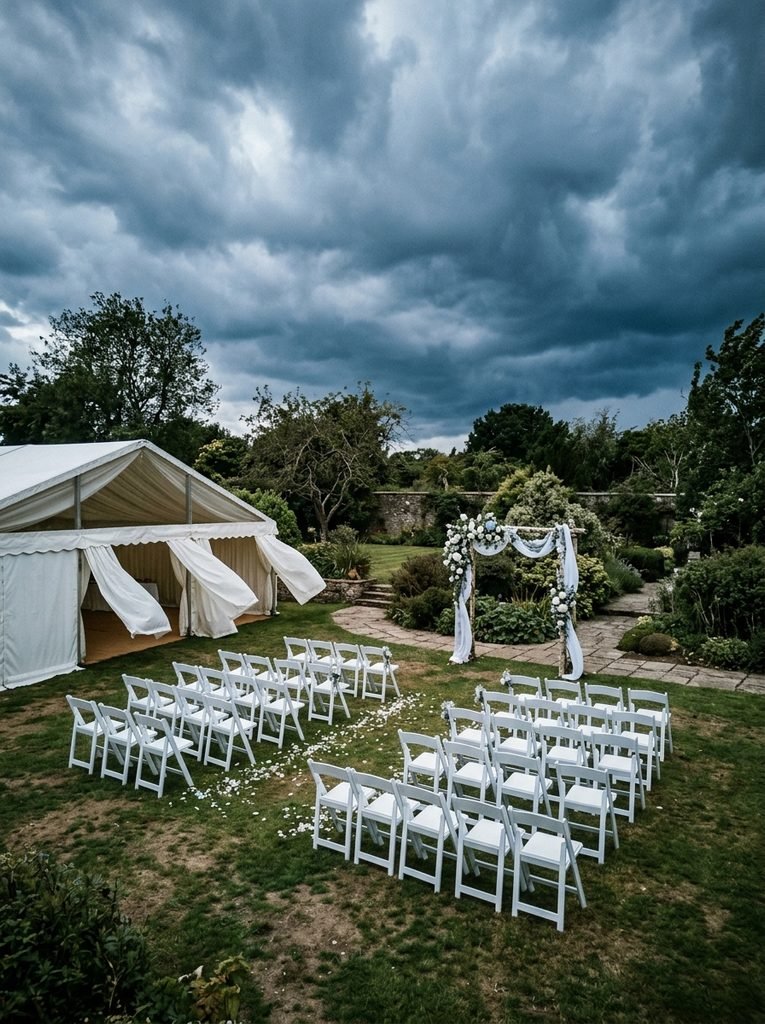
Ordinary bad weather. Rain on the day is disappointing, not insurable. Weather cover applies when conditions make the event impossible or unsafe, such as blocked roads, a flooded venue or official travel warnings.
Infectious disease and pandemics. After recent global experience, many insurers exclude cancellations linked to epidemics or known infectious diseases, or cover them only in narrow circumstances.
Poor quality. A cake that tasted flat or a band that played the wrong songs is a complaint to take up with the supplier, not an insurance claim.
Government restrictions and conflict. Some policies exclude losses caused by war, civil unrest or official orders. This matters most for destination weddings in regions with changing travel advice.
Before you move on: open the policy wording for each option you’re considering and look for the sections on existing circumstances, medical conditions and weather. If the definitions are vague, ask the insurer to explain them in writing.
Add Up The Number You Actually Need To Protect
This is the step most couples skip, and it’s where underinsurance begins.
Your cancellation limit should reflect the total you’ve committed to spend, not just the deposits paid so far. If a venue fails two weeks before the wedding, you may lose more than the deposit. You may also have paid final balances, bought non-refundable decorations, and booked guests into accommodation.
To find your number, list every supplier and write down three figures:
- The full contract value
- How much you’ve paid so far
- How much is refundable if you cancel
What you’d lose in a worst case is your real exposure. Then add a margin of around 15 to 20 percent for the costs that creep in during planning. Weddings rarely get cheaper as the date approaches.
An illustrative example (not a real case): a couple’s contracts come to 12,000 for the venue, 8,500 for catering, 3,500 for photography, 2,000 for flowers and 3,000 for music, attire and extras, in whatever currency they use. That’s 29,000 in total. With a margin, a sensible cancellation limit sits around 34,000 to 35,000. If they insured only the 7,000 they had paid in deposits, a venue collapse late in the planning would leave most of the loss uncovered.
Before you move on: build a simple sheet of every supplier, contract value and payment to date. Update it every time you sign something new.
Check What Wedding Insurance Costs For Your Budget
Once you know your number, the price starts to make sense.
How Pricing Works
Insurers price wedding cover mainly on what they might have to pay out. That makes the cancellation limit the single biggest factor in the premium. Double the limit and the price rises, though usually not by double, because the fixed costs of the policy stay the same.
Liability cover is typically the cheapest part. Because the event is short and the setting is usually controlled, a standard liability limit often costs less than a single table centrepiece.
As a rough guide, and these are estimates rather than quotes:
| Wedding Budget Level | Typical Cover Chosen | Rough Premium Range |
|---|---|---|
| Small (intimate, local) | Liability, basic cancellation | Well under 1% of budget |
| Medium (average guest list) | Liability plus full cancellation | Around 0.5%–1.5% of budget |
| Large (big guest list, luxury venue) | High limits plus add-ons | Around 1%–2% of budget |
| Destination | Overseas cover plus cancellation | Often higher than domestic cover |
Prices vary between countries, insurers and even seasons. Get quotes locally rather than relying on a single figure.
What Pushes The Price Up
- A higher cancellation limit
- A large guest list
- Alcohol being served
- Outdoor, marquee or remote venues
- Weddings in regions prone to storms, floods or heat
- Getting married abroad
- Adding cover for attire, rings, gifts and photography
Ways To Keep It Reasonable
Buying liability and cancellation together from one insurer is often cheaper than buying them separately. Choosing a sensible limit, rather than over-insuring “just in case,” also helps. And skip add-ons that duplicate cover you already have: some home contents policies, for example, already protect rings or gifts away from home.
Before you move on: get at least two quotes for exactly the same limits so you’re comparing like with like.
Match Your Wedding Liability Insurance To The Venue Contract
In many countries, venues ask couples to show proof of liability cover before confirming a booking. Even where it isn’t required, it’s worth reading the insurance clause in your contract before you buy anything.
Look for three details:
- The required limit. Venues often set a minimum amount of cover. Buy at least that much.
- Named or additional insured. Some venues want to be listed on your policy so they’re protected too. Most insurers can add this easily.
- Proof deadline. The venue may want a certificate of insurance weeks before the date. Don’t leave it until the final week.
Remember that your policy protects you, not your suppliers. Caterers, bands, photographers and decorators should carry their own business insurance. Ask to see it, especially for anyone bringing heavy equipment, open flames or electrical setups into the venue.
Before you move on: ask your venue for its insurance requirements in writing, including the exact name to list on the policy.
Buy At The Right Time And Keep Every Receipt
Timing can decide whether a claim is paid or refused.
The best moment to buy is shortly after paying your first major deposit, usually the venue. A policy can’t cover something that has already happened or was already on the horizon when you bought it. The earlier the cover starts, the more of the planning period it protects.
Deposits paid before you bought the policy are often still covered, provided nothing was known at the time that might lead to a claim. Check the wording, because some insurers limit how far back that protection reaches.
Late buyers still have options. Many insurers will sell cover shortly before the date, which can satisfy a venue’s liability requirement. But late cover does little for problems that were already developing.
Keep a claims-ready folder, paper or digital, with:
- Signed contracts
- Payment receipts and bank records
- Emails and messages with every supplier
- Photos of expensive items such as the dress and rings
If a supplier vanishes, those records become your evidence. Also expect the premium to be non-refundable once cover starts, even if you later change your plans.
Before you move on: set a reminder to review your cover whenever you sign a new contract or your budget grows.
Sort Out Cover For A Destination Wedding
International weddings bring extra layers of risk, and many standard policies only cover events in your home country.
If you’re marrying abroad, check that:
- The policy names the country where the wedding will take place
- Cancellation cover includes overseas suppliers and venues
- Liability cover applies under local conditions
- Travel disruption such as airline collapse, border closures or official travel warnings is addressed
- Attire and rings are covered in transit
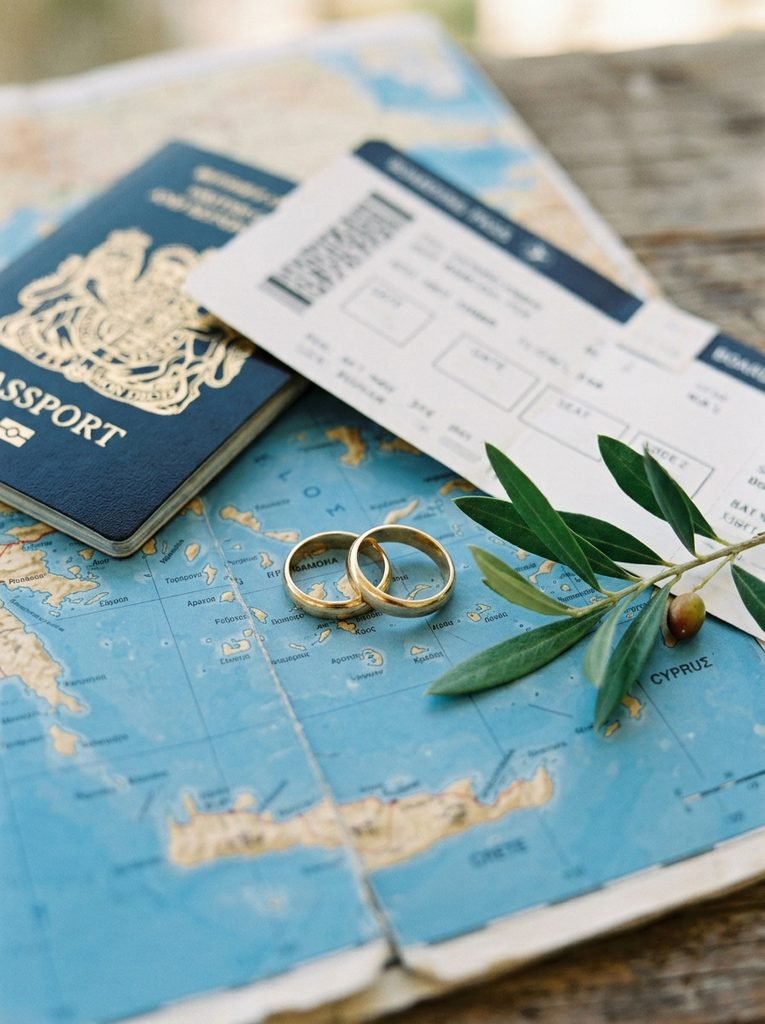
Travel insurance and wedding insurance overlap but aren’t the same. Travel cover may protect your flights and hotel, but it usually won’t reimburse a non-refundable deposit for a clifftop venue or a local catering company. Couples often need both, and some insurers offer a combined policy.
It also helps to understand local practice. In some countries, dedicated wedding policies are common and easy to buy online. In others, event cover is sold through general insurers as a custom policy, or added to home or travel cover. If you can’t find a wedding-specific product where you live or where you’re marrying, ask a local broker about general event insurance.
Before you move on: get written confirmation that your policy covers the exact country, and ideally the region, of your wedding.
Printable Wedding Insurance Checklist
- ☐ Check whether your venue requires liability cover, and at what limit
- ☐ List every supplier with contract value, amount paid and refund terms
- ☐ Add a 15–20% margin to find your cancellation limit
- ☐ Read exclusions on existing circumstances, medical conditions and weather
- ☐ Check sub-limits for attire, rings, gifts and photography
- ☐ Compare at least two quotes at identical limits
- ☐ Ask about discounts for combined cover
- ☐ Add the venue as a named insured if required
- ☐ Send proof of cover before the venue’s deadline
- ☐ Buy soon after the first major deposit
- ☐ Confirm overseas cover for a destination wedding
- ☐ Keep contracts, receipts and messages in one place
Who Should Act Now, And Who Can Wait
Act now if you’ve paid a significant deposit, your total spend would hurt to lose, your venue requires insurance, or you’re marrying outdoors, abroad or in a season known for severe weather. Every week without cover is a week of planning left unprotected.
Start with liability only if your budget is tight but your venue insists on insurance. It’s usually the cheapest part and meets the contract, and you can decide about cancellation cover later.
You can reasonably wait or skip it if your wedding is small, local and modest enough that losing the whole amount wouldn’t cause real hardship, and nobody requires you to hold cover. Choosing to carry that risk yourself is a legitimate decision.
Insurance never guarantees a payout. Claims succeed when the cause is covered, the loss is documented, and the policy started before the problem did. Read the final wording carefully, and ask a licensed adviser in your country if anything is unclear.
Key Takeaways
- Wedding insurance has two parts: liability for injuries and damage, and cancellation for money you can’t get back.
- Supplier failure is one of the most common and most overlooked risks.
- Changes of heart, existing problems, known medical conditions and ordinary rain are the classic exclusions.
- Insure your total committed spend plus a margin, not just the deposits paid.
- Premiums are usually a small percentage of the wedding budget and rise mainly with the cancellation limit.
- Buy soon after your first big deposit, and check overseas cover carefully for weddings abroad.
Wedding Insurance At A Glance
| Coverage | What It Pays For | Relative Cost | Watch Out For |
|---|---|---|---|
| Liability | Guest injuries, venue damage, alcohol-related claims | Lowest part of the policy | Venue’s minimum limit and naming requirements |
| Cancellation / postponement | Non-refundable deposits and rearranging costs | Rises with your chosen limit | Existing circumstances, medical conditions |
| Combined cover | Both parts, often at a discount | Usually a small % of budget | Sub-limits on extras |
| Add-ons | Attire, rings, gifts, photos, transport | Small extra charges | Limits lower than the item’s value |
| Overseas cover | Weddings held abroad | Higher than domestic | Country restrictions, travel warnings |
FAQ
Is wedding insurance worth it?
For most couples with significant non-refundable costs, yes. The premium is usually a small fraction of the budget, while the potential loss runs to the full amount spent. For very small, inexpensive weddings, going without can be reasonable.
Does wedding insurance cover a change of heart?
No, standard policies don’t. Calling off a wedding because one partner changes their mind counts as a personal decision, not an insured event. A few specialist policies exist, but they’re uncommon.
Can you buy wedding insurance close to the wedding date?
Often, yes, especially liability cover. But a late policy won’t cover problems that were already known or developing, so earlier is better.
Are deposits paid before buying the policy covered?
Usually, as long as nothing likely to cause a claim was known when you bought it. Some insurers limit how far back that protection goes, so check the wording.
Is wedding insurance a legal requirement?
In most places, no. But many venues require liability cover as a condition of booking.