
Anti Aging Clinic Membership: What You Actually Get
Something shifted in this industry over the past few years, and most buyers walked into it without noticing. Clinics stopped selling single treatments and started selling subscriptions. The button on the website changed from book a consultation to become a member, and with that one word the relationship changed too from a purchase you make once to a charge that renews whether or not you show up. This model has spread from a handful of cities to clinics across North America, Europe, the Gulf, Southeast Asia and Australia, often with near-identical brochures. That makes it worth slowing down and asking a plain question before you commit money to it: what does an anti aging clinic membership actually buy?
QUICK ANSWER
An anti aging clinic membership is a recurring fee that buys ongoing access rather than specific treatments. It usually covers a baseline assessment, physician time, a personalised plan and scheduled follow-ups. Imaging, prescriptions, infusions, supplements and repeat lab panels are typically charged separately. Prices range from modest monthly plans to five-figure annual programs.
What An Anti Aging Clinic Membership Actually Is
Underneath the branding, this is retainer medicine pointed at prevention rather than illness.
You pay a fee. In exchange you get a named clinician who knows your file, appointments that run long enough to have a real conversation, priority scheduling, a structured baseline of measurements, and a plan that gets reviewed on a calendar instead of only when something hurts.
That structure is not unusual or fringe. Private practices in London, Dubai, Singapore, Toronto and Sydney have offered retainer-based care for decades, usually described as concierge or executive health. The fee has always bought the same underlying thing time and attention from a doctor whose patient list is deliberately short.
What the anti-aging label adds is a second layer: a wider diagnostic menu, ageing-related scoring, hormone and peptide protocols, metabolic programs, and at the luxury end, recovery facilities that look more like a private club than a clinic.
Hold on to that distinction, because you are usually paying two prices bundled under one word. The first is access a doctor who answers. The second is a catalogue of services you will be invoiced for as you use them. Clinics that blur those two things on purpose are the ones most likely to surprise you later.
How Membership Pricing Took Over The Category
For most of this sector’s history, it sold discrete items. A hormone consultation. A scan. A course of injections. Revenue was unpredictable, and every month started at zero.
Subscriptions fixed that. A membership converts an occasional customer into a forecastable annual figure, smooths cash flow, and this part is genuinely useful for patients gives the clinic a reason to care about your twelve-month trajectory rather than today’s transaction.
The physical product evolved in parallel. Newer flagship locations combine a medical floor with a wellness floor: consultation rooms and phlebotomy on one side, saunas, cold plunge, hyperbaric chambers, recovery lounges and aesthetic treatment rooms on the other. The membership fee is the key to the building, and the building is expensive to run.
That is not automatically a problem. It becomes one when the fee is presented as clinical value while a meaningful share of it is funding real estate and amenities.
What An Anti Aging Clinic Membership Costs Right Now
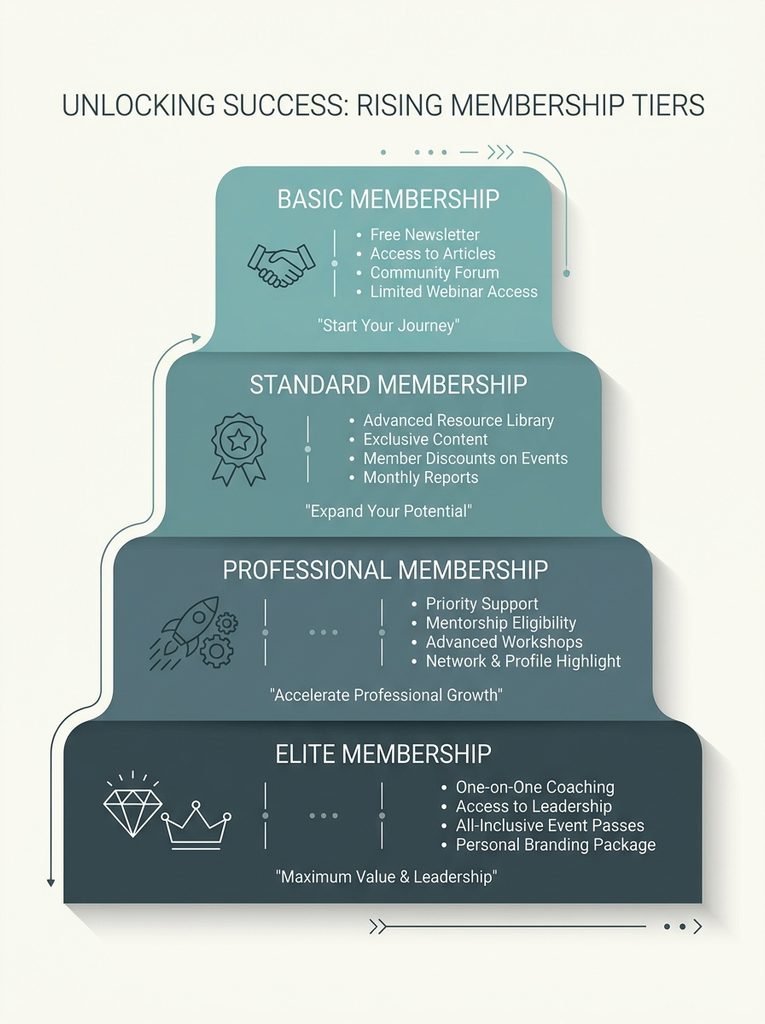
There is no single global price, and any figure presented as universal should be treated with suspicion. What does exist is a set of recognisable tiers that repeat across markets, with local pricing shifting according to labour costs, imaging availability and how heavily regulated private medicine is in that country.
| Tier | Rough annual range (USD equivalent) | What the fee typically buys |
|---|---|---|
| Entry / remote-led | $1,500 – $4,000 | Clinician access, panel review, protocol supervision; nearly everything else à la carte |
| Standard clinic membership | $4,000 – $10,000 | Baseline workup, several consultations, some repeat labs, care planning |
| Advanced longevity program | $10,000 – $25,000 | Deeper imaging, genomic testing, longitudinal monitoring, concierge access |
| Ultra-premium / private club | $25,000 – $60,000+ | Extensive physician time, amenities, family coordination, travel support |
Two things distort those bands, and both are worth knowing before you compare quotes.
The first is currency and market maturity. The same package can cost meaningfully less in Southeast Asia, Eastern Europe or parts of Latin America than in the United States, Switzerland or the Gulf — sometimes because overheads are lower, sometimes because the diagnostic depth is genuinely thinner. Cheaper is not automatically worse, but it is never automatically equivalent either.
The second is the split between the fee and the spend. A $6,000 membership with $9,000 of treatments layered on top is a $15,000 year. Clinics quote the first number. Your bank statement records the second.

The Six Things Inside The Membership
A Baseline Assessment
The part that feels most valuable on day one. Expect blood chemistry, body composition, cardiovascular and fitness measures, and depending on the tier, imaging and genetic testing.
Ask one question here that most people forget: does the baseline repeat every year inside the fee, or was it a one-time onboarding event?
Physician Access
Longer appointments, direct messaging, faster booking, and continuity with someone who has actually read your history. For anyone who has spent years being processed through rushed ten-minute consultations, this is often the honest core of the purchase and the part least likely to disappoint.
Biomarker Panels And Interpretation
Broad blood work plus somebody qualified to explain it in context. Confirm exactly how many repeat panels are included per year. This is one of the most common places where the word “included” quietly stops applying.
Protocol Management
Hormone optimisation, peptide protocols, metabolic and weight programs, nutrient infusions. The membership generally covers the supervision the consultation, dose adjustments, monitoring. The compounds themselves are usually a separate monthly cost, and in many countries the regulatory status of specific compounds differs sharply from what a foreign clinic’s website implies.
Coaching And Behaviour Support
Nutrition, training, sleep and stress work. Consistently underrated in the marketing, and consistently the component with the clearest relationship to how you actually feel a year later.
Access And Environment
Priority booking, lounges, recovery facilities, member events, sometimes coordination while you travel. Real value for some people, pure overhead for others. Be honest about which one you are.
What Is Almost Never Included
This is where annual budgets quietly break.
| Commonly excluded | What to expect |
|---|---|
| Initial consultation or onboarding fee | Often charged before membership begins |
| Baseline and repeat lab panels | Frequently capped, then billed per panel |
| Imaging beyond the first scan | Charged individually |
| Prescribed compounds and infusions | Monthly, ongoing, often the largest line |
| Supplements | Ongoing, and usually marked up |
| Follow-up after an unclear finding | Specialist visits, repeat scans, biopsies |
| Cancellation or exit fees | Buried in the terms |
That last two rows deserve attention. An ambiguous imaging result does not resolve itself it generates referrals, repeat scans and sometimes procedures, none of which the membership fee anticipated. And exit terms are the single most common source of complaints in subscription healthcare generally: notice periods measured in months, non-refundable annual prepayments, and administrative fees applied on the way out.
The Renewal Trap: Why Month Four Costs More Than Month One
Introductory pricing is close to universal in this market, and it is the most avoidable financial surprise in the entire category.
The pattern is consistent. A low headline rate secures the signup. It applies for a fixed initial period. Then the account renews at the standard rate, which can be substantially higher, and in some structures the membership continues billing in months where no service was delivered at all.
Three questions defuse nearly all of it:
- What is the standard renewal rate, in writing, once the promotional period ends?
- Does billing continue in a month where no consultation, prescription or service is provided?
- What notice is required to cancel, and what does cancelling cost?
If any of those three answers arrives verbally rather than on paper, treat that as the answer.

The Two Headline Features You Should Question Hardest
An honest guide has to say something the brochures will not: the two features used most aggressively in longevity marketing are also the two that mainstream medicine remains most cautious about.
Whole-body scanning in healthy people. The intuitive appeal is obvious look everywhere, catch everything early. The clinical reality is messier. Scanning a symptom-free body reliably produces findings, and the large majority of them turn out to be harmless variations that would never have caused trouble. Each one still has to be chased down, which means specialist appointments, repeat imaging, sometimes a biopsy, and a stretch of genuine anxiety in between. There is also the reverse problem: a clean scan can create false reassurance and discourage someone from doing the age-appropriate screening that actually has evidence behind it. This is why professional radiology and oncology bodies in most countries stop short of recommending it for people without a specific risk profile.
Biological age scores. These numbers are compelling precisely because they are simple — one figure, easy to compare, easy to share. But different models produce different results from the same sample, the methods behind them are still being refined, and no widely accepted clinical guideline uses them to direct treatment. A biological age score is an interesting research-adjacent metric. It is not a diagnosis, and a clinic that structures its entire value proposition around moving that number is selling you a scoreboard rather than a health plan.
None of this makes a membership worthless. It means the two most photogenic items on the menu should be weighted below the unglamorous ones: physician time, repeat bloodwork, honest interpretation and sustained follow-through.
Is An Anti Aging Clinic Membership Worth It
It tends to make sense if you:
- Have a family history or an identified risk factor and want structured, physician-led monitoring
- Genuinely value fast access and unhurried consultations, and will use them regularly
- Can absorb the realistic all-in annual cost, add-ons included, without financial strain
- Want external accountability on sleep, training, alcohol and nutrition, and know you will not sustain it alone
- Travel frequently and value having one clinician who holds the whole picture
It tends not to make sense if you:
- Are healthy and symptom-free, and mainly want a scan that confirms you are fine
- Are joining for one specific treatment you could buy directly for less
- Are being sold a test menu before anyone has asked about your history
- Have not yet done the unglamorous, free basics sleep, resistance training, alcohol reduction, blood pressure control, standard age-appropriate screening
Before You Sign: The Contract Checklist
- Request an itemised, written, all-in twelve-month estimate, membership plus expected add-ons
- Ask which services are included annually and which are billed per use
- Ask what happens after an unclear scan result who pays for the follow-up chain?
- Confirm the renewal rate, notice period and cancellation cost in writing
- Ask whether the clinic coordinates with your existing doctor at home
- Confirm you can export your full records and raw results if you leave
- For any prescribed compound, ask about its regulatory status in your country, the evidence behind it, and how side effects are monitored
- Verify the supervising physician’s registration with the relevant national medical authority yourself
- Ask how many patients each clinician carries the answer tells you what “access” really means
Where This Market Is Heading
Three things look likely over the next few years.
Prices will split further. The premium tier will keep climbing because scarcity is part of what it sells, while remote-led entry tiers keep undercutting, leaving a sensible middle real clinician, real labs, real follow-up, no spa floor where most reasonable buyers will land.
Regulation will tighten unevenly. Countries differ enormously in how they treat compounded prescriptions, direct-to-consumer testing and advertising claims about ageing, and clinics operating across borders will feel that pressure first.
And transparency will improve, mostly because buyers will demand it. The clinics that separate diagnostics, supervision and therapeutics into three clearly priced lines will win trust from the ones that quote a single seductive number and reveal the rest later.
The Honest Limits Of This Guide
Every figure here is a broad planning range, not a quotation. Prices move, clinics rename their tiers, and two practices using identical language can deliver very different standards of care. Nothing in this article is medical advice, and no membership at any price has been shown to extend a human lifespan.
Verify before you spend. Confirm the physician’s registration through your country’s medical regulator. Check what screening is genuinely recommended for your age, sex and risk profile through your national health authority rather than a clinic’s marketing page. And take any proposed protocol to a doctor with no financial interest in the answer — before the first injection, not after the third invoice.
FAQ
Will insurance or a public health system cover any of it?
Rarely, and usually only around the edges. These are elective, preventive, out-of-pocket services in almost every market. Occasionally a standard lab panel ordered by the clinic can be reimbursed, or a health savings account can be applied where one exists. Ask specifically, service by service, rather than accepting a general reassurance.
What is the difference between a longevity clinic and an aesthetic clinic?
A longevity clinic is built around diagnostics and a long-term prevention plan. An aesthetic clinic is built around how you look. At the premium end the two increasingly share a building and a membership, so read the service list rather than trusting the word on the door.
Can I get most of the benefit without joining?
Frequently, yes. A comprehensive blood panel, a body composition scan, a cardiorespiratory fitness test and a long appointment with a good general practitioner cover a large share of the useful ground for a fraction of an annual membership. What you lose is the continuity and the accountability — which, for some people, is exactly the part worth paying for.
How long should the first commitment be?
The shortest term the clinic will accept. Annual prepayment usually earns a discount and simultaneously removes every scrap of leverage you have if the care disappoints. Test the relationship for a quarter before funding a year of it.
What are the clearest warning signs of a weak clinic?
Pricing that starts with “from” and never resolves into a total. Pressure to decide today. A test menu presented before anyone asks about your history. Heavy markups on medications and supplements. Vague answers about who supervises prescribing. And any claim, however softly worded, about adding years to your life.